
Transition Book - 2023 - Finances
Departmental Financial Management Operations
Table of Contents
- Funding process
- Departmental authorities
- Departmental forecasts
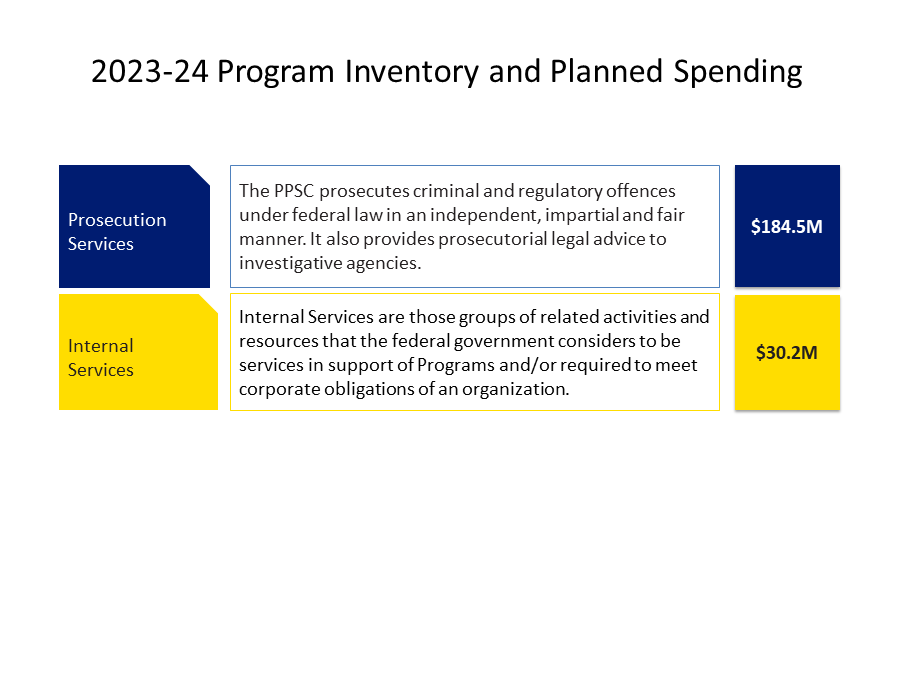
- 2023-24 Program inventory and planned spending
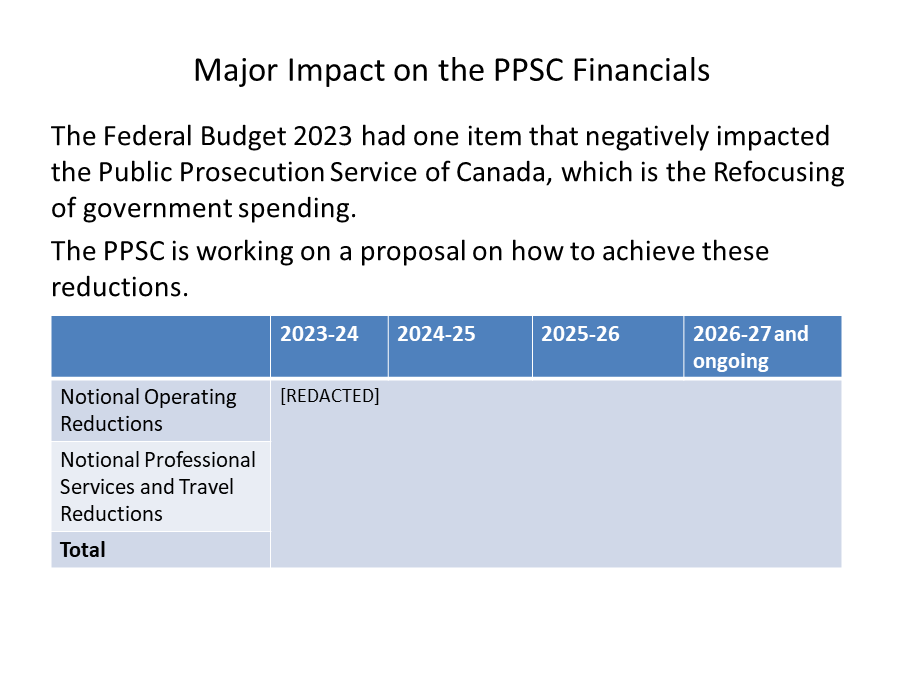
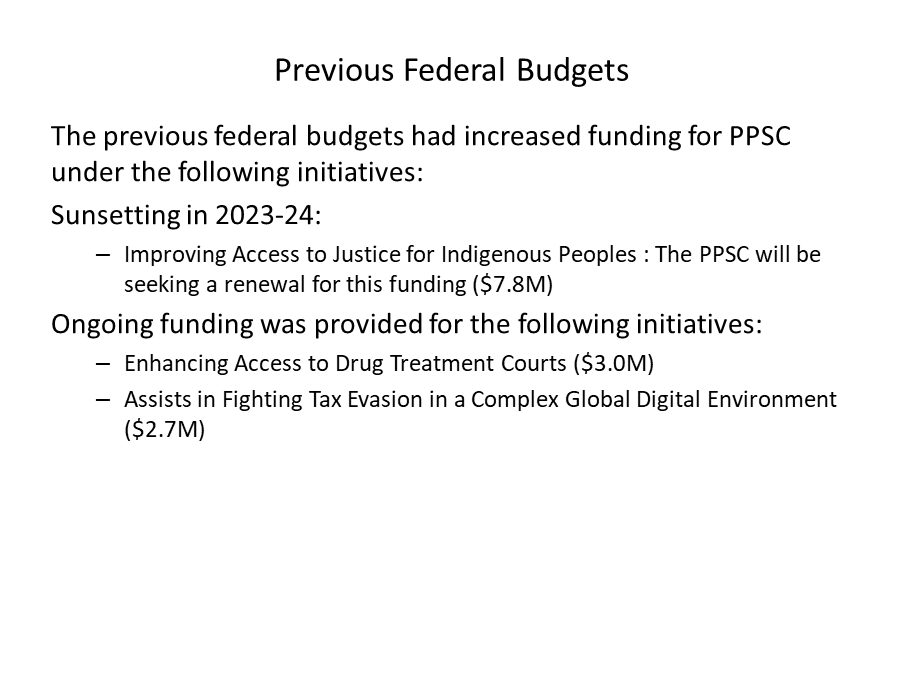
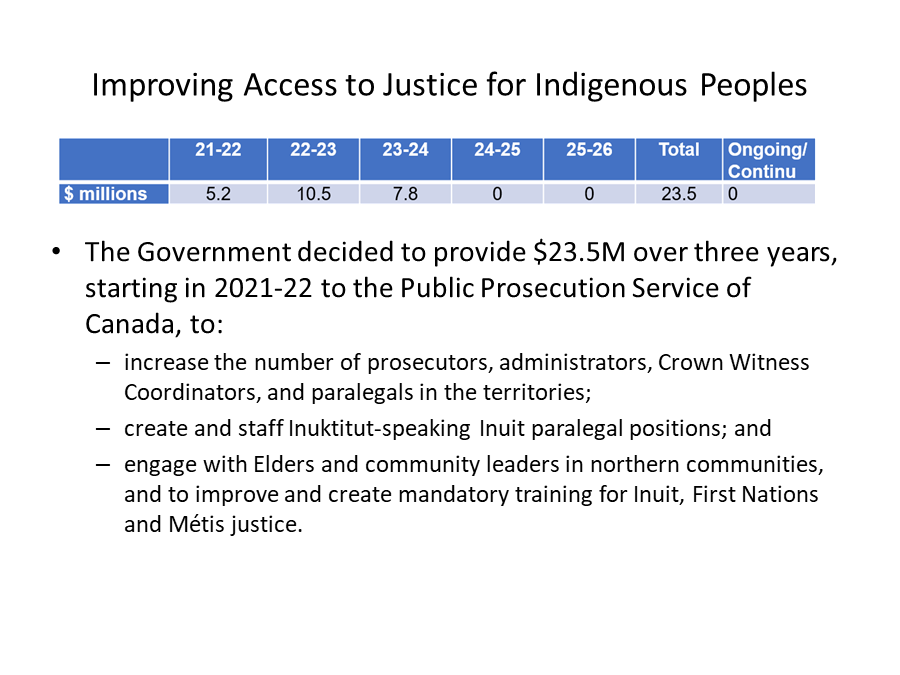
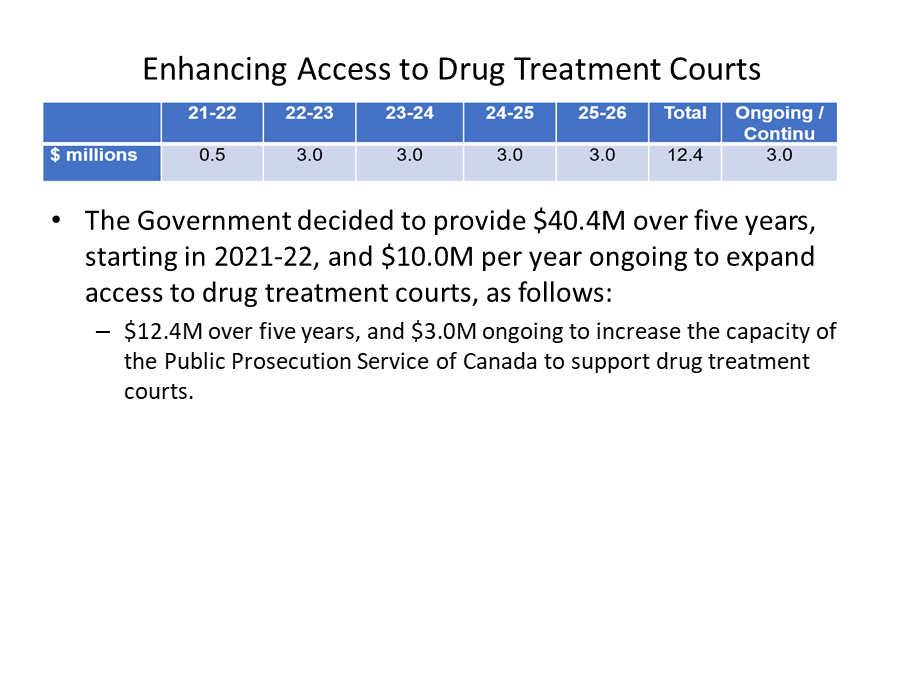
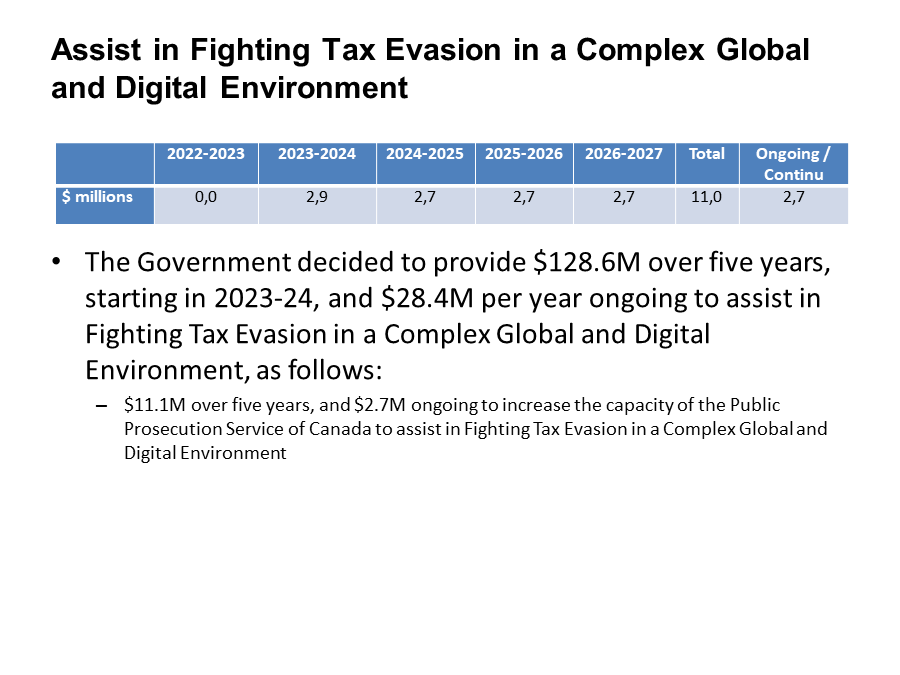
- Federal Budget 2023
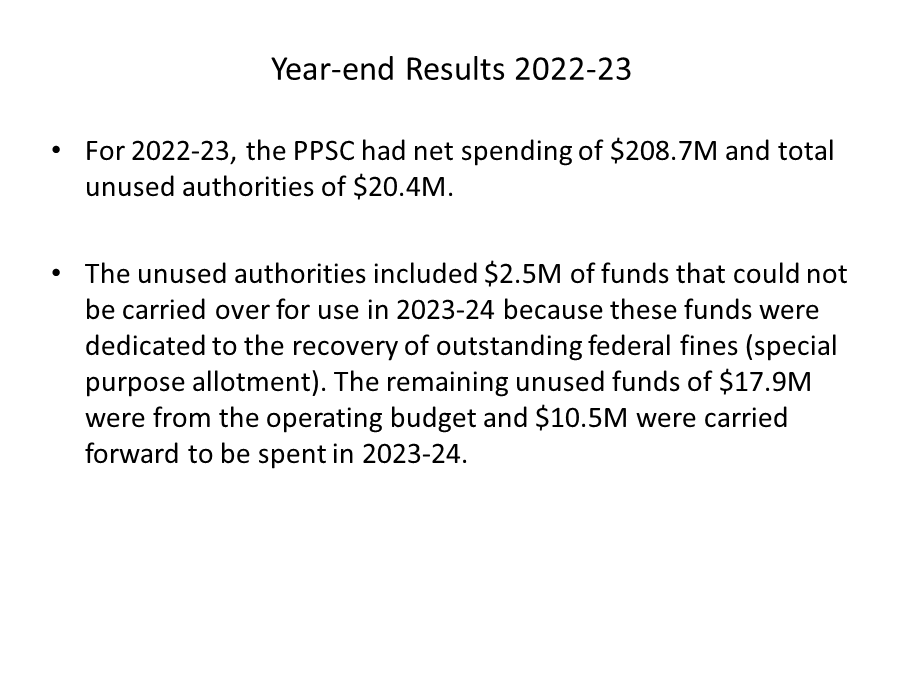
- Year-End Results 2022-23
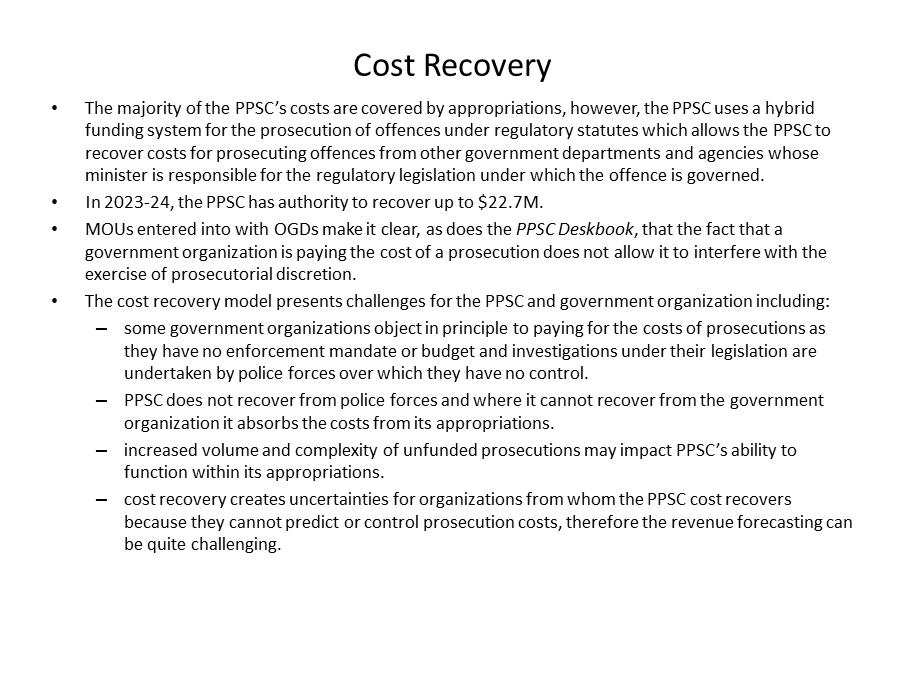
- Cost Recovery
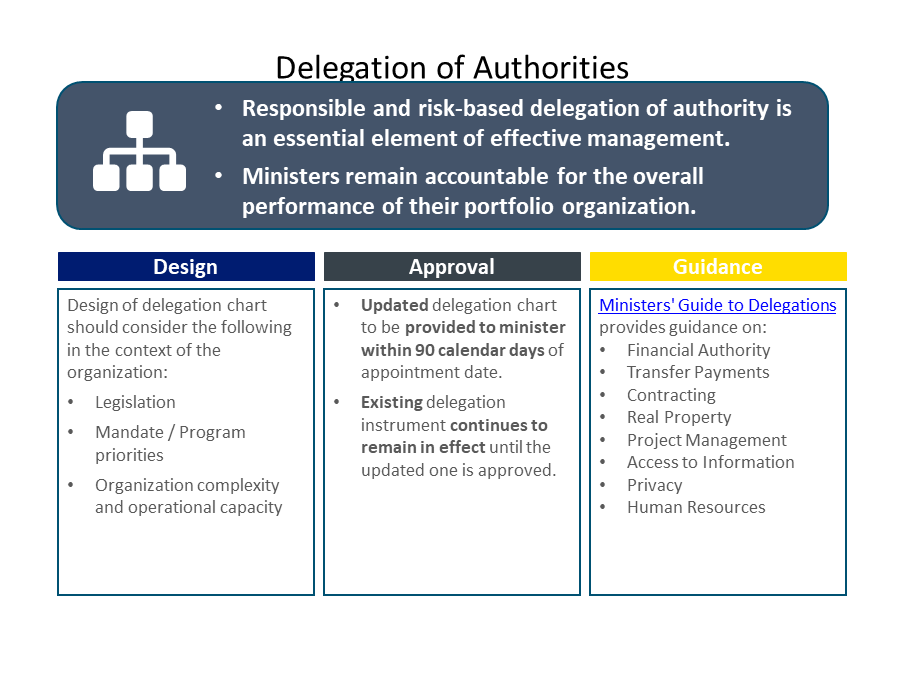
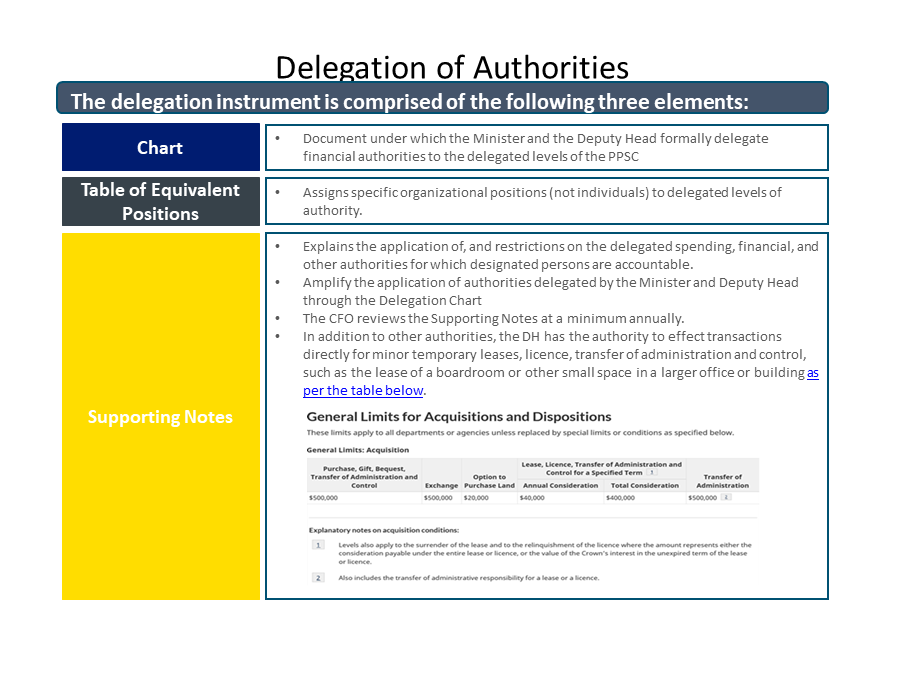
- Delegation of authorities
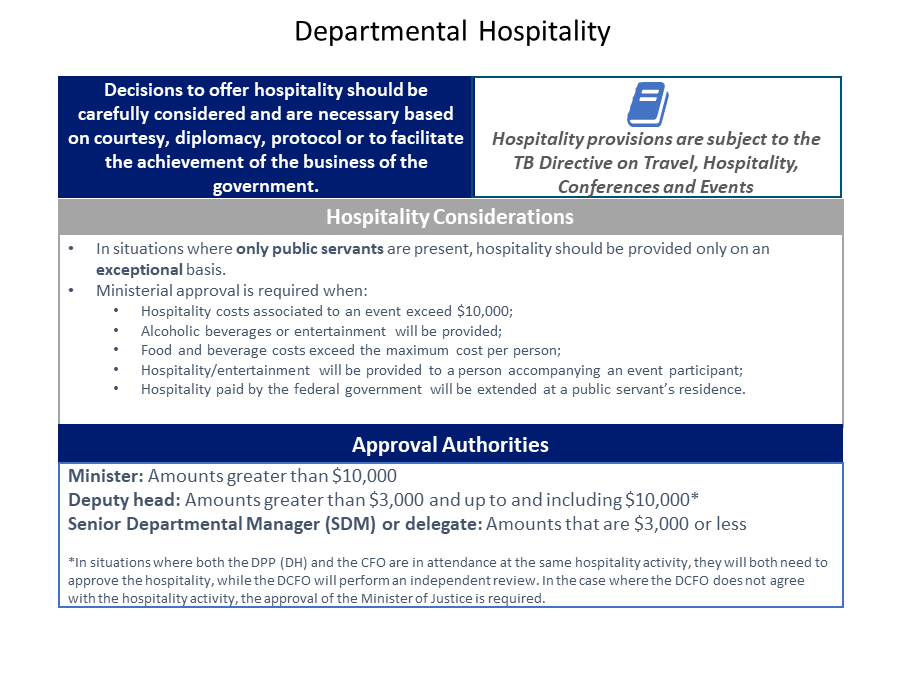
- Departmental Hospitality
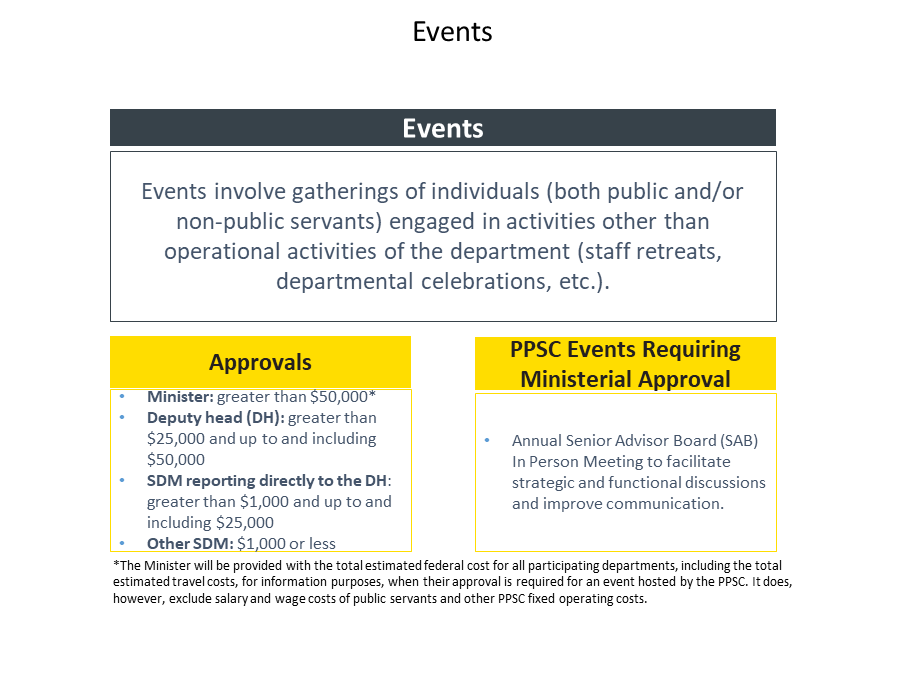
- Events
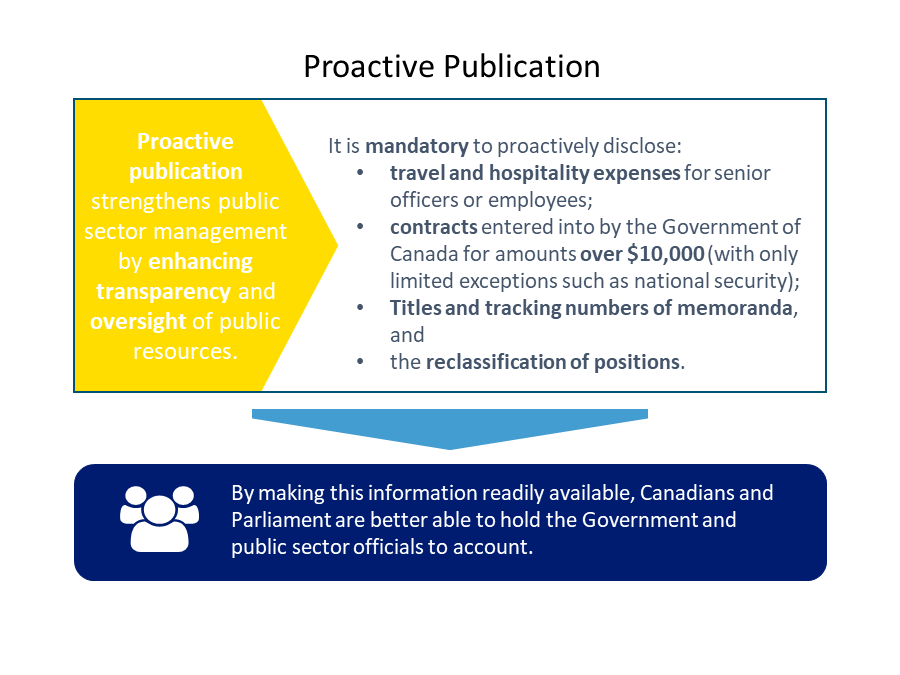
- Proactive publication
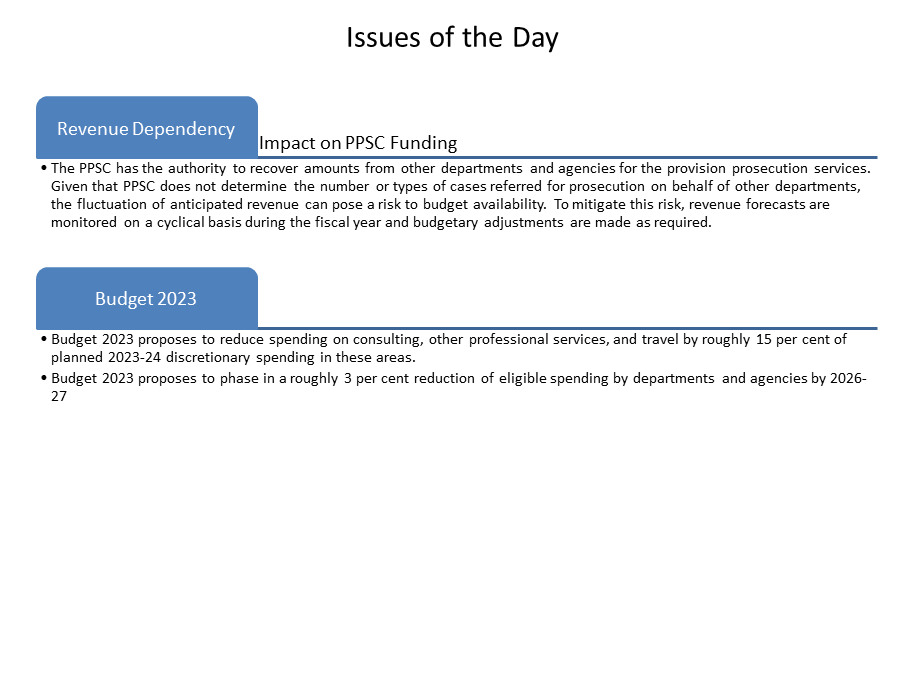
- Issues of the day
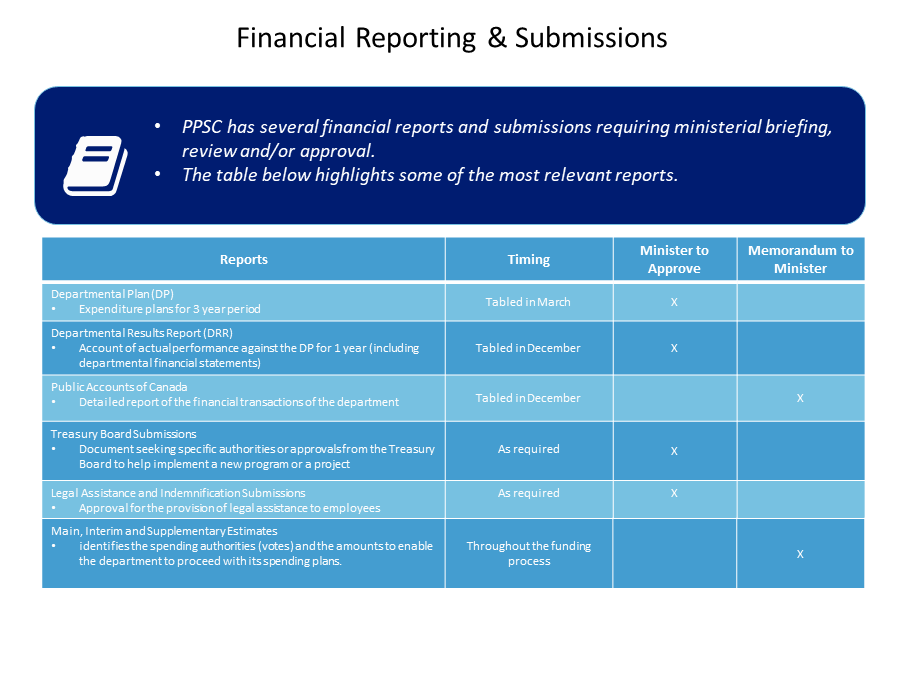
- Financial reporting & submissions
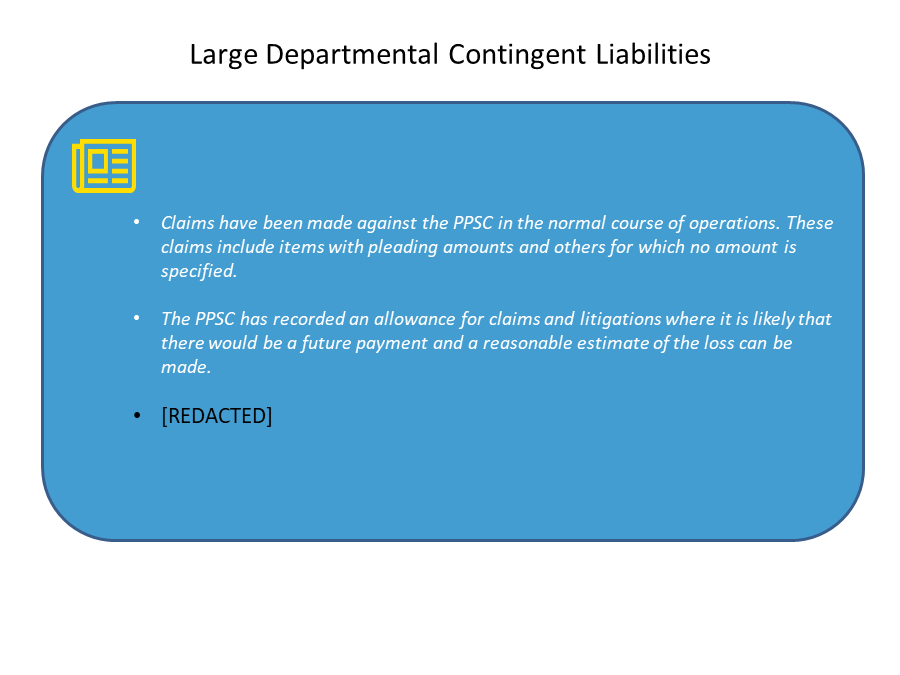
- Large departmental contingent liabilities
- Key Sources
Federal Budget 2023
National Fine Recovery Program
Mandate
In 2007, the Attorney General of Canada assigned the functions of recovering federal fines to the Director of Public Prosecutions (DPP) under paragraph 3(3)(g) of the Director of Public Prosecutions Act. The mandate of the National Fine Recovery Program (NFRP) is to enforce sentences by recovering outstanding fines ordered against individuals and companies convicted under federal statutes.
Background
The NFRP is a national program. It is part of the Corporate Services Branch and currently employs nineteen (19) full-time employees located in various regional offices across Canada.
Prior to 2010, the recovery of all outstanding fines were exclusively performed in-house by one of the PPSC's regional offices. In 2010, the PPSC undertook a strategic review and evaluation of its programs and proposed to outsource the collection of outstanding fines as a means to generate savings by decreasing its operating budget while increasing recoveries. The rationale was that the recovery efforts were limited to what the NFRP employees could achieve, whereas a collection agency, paid on commission, would likely have the incentive to dedicate more resources. Following a Treasury Board (TB) submission in 2015, authority was granted to create a special purpose fund to cover the costs of a collection agency. In 2016, a contract was signed with a collection agency to undertake recovery efforts on behalf of the PPSC.
As required by the TB submission, the PPSC re-evaluated the effectiveness of its service delivery model in 2018 and determined that the outsourcing of fine collection did not yield the expected results. In fact, a lower annual average of approximately $2 million was being recovered by the collection agency compared to what had been collected internally in the past (~$6 million annually).
Program Reform
In 2019, the PPSC took steps to modernize its program operations and to experiment with new initiatives to increase recoveries. The NFRP has implemented a hybrid recovery model using new government partners and programs, several external partners, and legal proceedings. Results are significant, with an average increase of 77% percent in recoveries over the last three years, in comparison to 2019-2020 statistics.
In 2022, the Minister of Finance approved a request submitted by the Attorney General of Canada on behalf of the PPSC, to repurpose the NFRP's special fund allotment. The new funding arrangement authorizes the PPSC to use the existing NFRP special fund allotment to cover all costs related to its mandate. It provides the NFRP with the necessary flexibility to explore additional recovery measures, develop new partnerships with internal and external stakeholders such as the provinces and territories, implement functional IT solutions, and continue advancing with its program reform.
While many new initiatives have already been implemented as part of the ongoing program reform (i.e. new online payment portal, new government & private partners, etc.), the NFRP continues working on addressing its two main challenges of developing a direct link to access all provincial & territorial court registries and to implement a functional IT solution to manage its inventory.
As it currently stands, the poor outcome of recovery efforts has two major consequences. The most obvious one is the accumulated fine inventory of almost $280 million, which is unrecovered money owed to the Crown. In the last five years, only 5.6% of the federal fines ordered have been paid. Equally important, if not more so, is the fact that limited recovery of fines could be perceived as negatively affecting the integrity of the sentencing regime, as it renders inoperative sentences ordered by the courts.
[REDACTED]
- Date modified: